Cornea
When you experience blurry vision, light sensitivity, or frequent changes in your prescription, the underlying cause may involve your cornea. This clear, protective layer at the front of your eye plays a critical role in how well you see, and any damage or disease affecting it deserves prompt attention from an experienced ophthalmology team.
At IC Laser Eye Care, we specialize in diagnosing and treating a full range of corneal conditions, from infections and injuries to progressive disorders like keratoconus. Our approach combines thorough diagnostic evaluations with personalized treatment plans designed to preserve your vision and restore your comfort.
Understanding Corneal Disease and Keratoconus
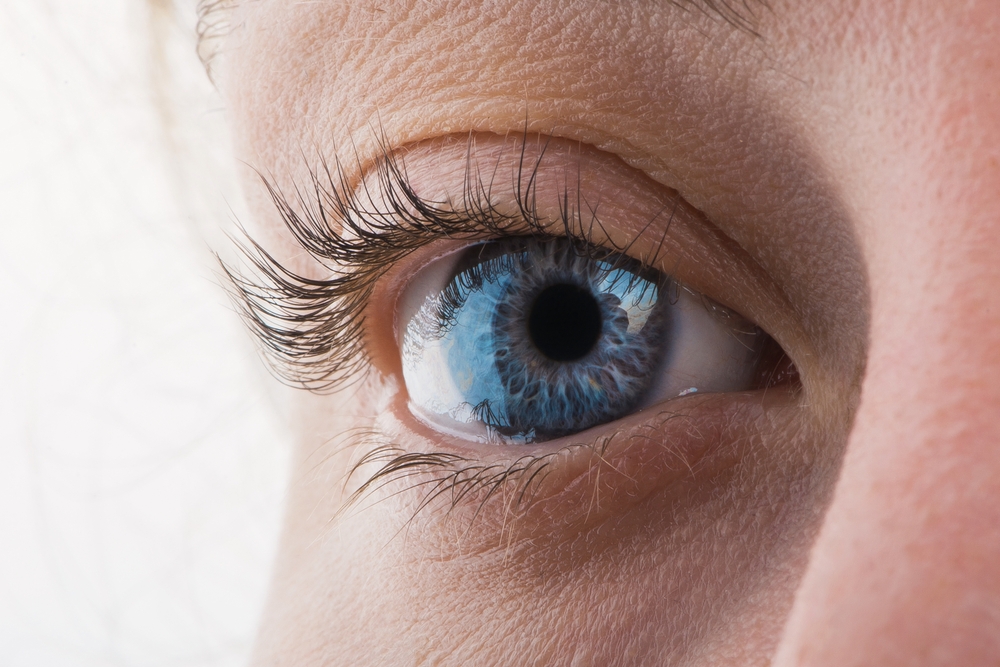
The cornea is a transparent layer that refracts light accurately onto your retina, enabling clear vision. When this delicate structure becomes compromised by disease, injury, infection, or genetic conditions, you may experience discomfort, blurred vision, or sensitivity to light. Corneal diseases encompass a wide range of conditions, including infections, allergies, trauma-related damage, dry eye syndrome, and corneal dystrophies that affect the tissue’s structure and function.
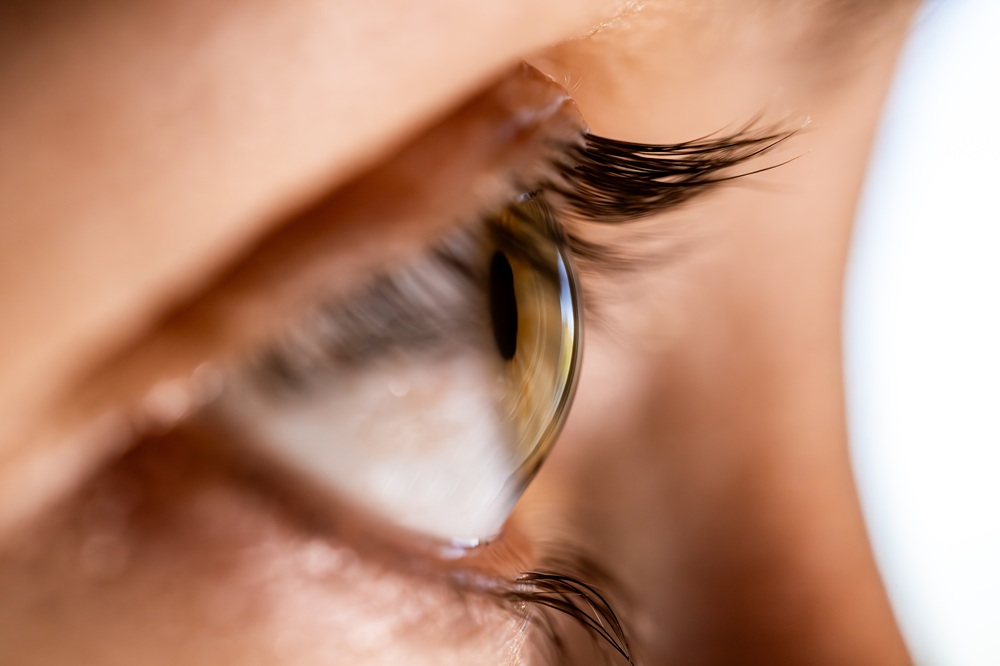
Keratoconus represents one of the most significant corneal disorders, characterized by progressive thinning and bulging of the cornea into a cone-like shape. This condition typically begins during adolescence or early adulthood and gradually worsens over time. Various factors, including genetics, environmental influences, medications, lifestyle habits, and underlying health conditions, can increase your risk of developing these corneal problems.
Our Treatment Options for Corneal Diseases and Keratoconus
Our practice offers specialized diagnostic and therapeutic options designed to address the full spectrum of corneal conditions. We combine advanced technology with personalized care to deliver effective solutions for preserving and improving your vision.
UV Cross-Linking
Corneal cross-linking is an innovative procedure that strengthens the corneal tissue by using ultraviolet light and riboflavin drops to create new bonds between collagen fibers. This treatment effectively slows or halts the progression of keratoconus, preventing further thinning and bulging of your cornea.
Hard Contact Lenses
Specialized rigid gas-permeable contact lenses provide an effective solution for managing keratoconus and other corneal irregularities by creating a smooth refractive surface over the distorted cornea. These lenses offer superior vision correction compared to standard soft contacts, helping you achieve clearer sight despite corneal abnormalities.
Cornea Procedures | IC Laser Eye Care
Corneal Disorders
Help is available for corneal disorders that affect the cornea, the eye’s outer layer, which plays a crucial role in focusing and bending light.
Dry Eye Syndrome
Dry eye syndrome occurs when your eye cannot stay properly lubricated, which can cause discomfort and place you at an elevated risk for infection.
Keratoconus
Keratoconus is a progressive disease affecting the cornea, causing it to assume an elongated shape, resulting in errors in how the eye refracts light.
Pterygium
A pterygium, or surfer’s eye, is a noncancerous growth that develops on the sclera and requires removal to prevent possible vision loss for patients.
What to Expect During Your Corneal Disease and Keratoconus Treatment
Advanced Corneal Mapping and Imaging
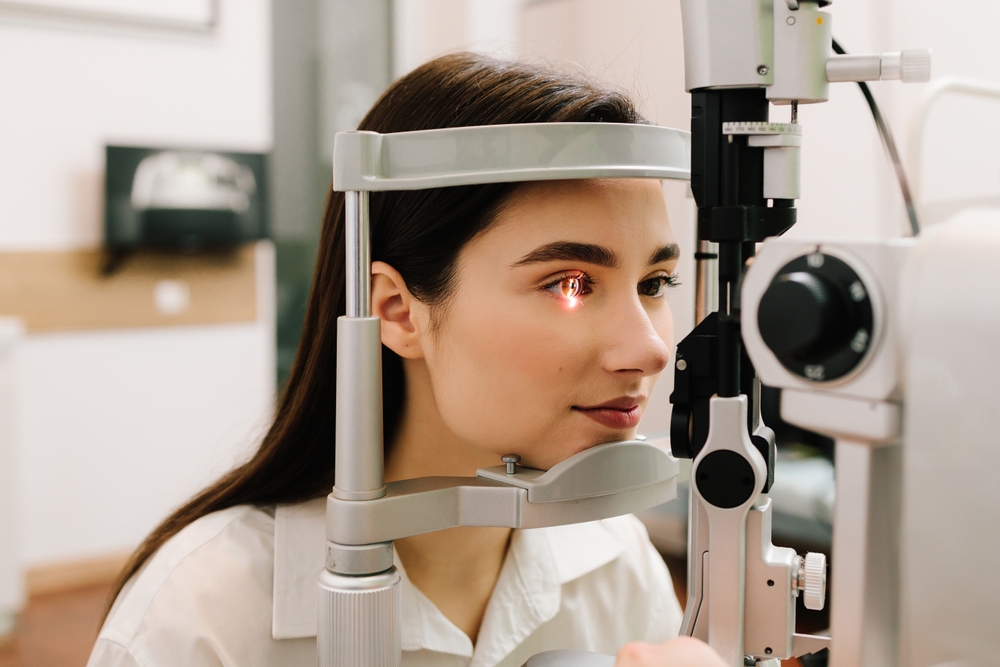
Your treatment begins with advanced corneal imaging and a detailed eye examination to assess the extent of your condition. We use specialized diagnostic tools to map your cornea’s shape and thickness, identifying specific problem areas. This thorough evaluation helps us understand your unique situation and determine which treatment approach will work best for your needs.
Building Your Custom Treatment Roadmap
After reviewing your diagnostic results, we create a customized treatment plan tailored to your corneal condition’s severity and your lifestyle needs. You’ll receive clear explanations about recommended procedures, expected timelines, and potential outcomes. We encourage your questions and input throughout this planning phase to ensure you feel confident about moving forward with treatment.
Administering Your Corneal Therapy
Depending on your diagnosis, treatment may involve prescription medications, specialized contact lens fittings, or in-office procedures performed with precision and care. Our team prioritizes your comfort throughout every step, whether you’re receiving eye drops, undergoing cross-linking, or being fitted for custom lenses. We’ll explain what’s happening during your treatment so you know exactly what to expect.
Maintaining Your Vision Improvements
Following treatment, you’ll receive specific instructions for protecting your eyes and promoting optimal healing. We’ll guide you on medication schedules, activity modifications, and daily care routines that support your recovery. Understanding how to avoid behaviors like eye rubbing helps maintain your treatment results and prevents further corneal damage over time.
Tracking Your Corneal Health Long-Term
Regular follow-up appointments allow us to track how well your cornea responds to treatment and make adjustments as needed. These checkups are essential for catching any changes early and ensuring your vision continues to improve. We remain available to address concerns between scheduled visits, providing ongoing support as your eyes heal and stabilize.
Why Choose Us
Selecting the right provider for your corneal care is essential to achieving the best possible outcomes. Our practice combines cutting-edge diagnostic equipment with extensive expertise in managing complex corneal conditions, ensuring you receive accurate diagnoses and effective treatments.
We understand that corneal diseases and keratoconus can be concerning, which is why we prioritize clear communication, compassionate care, and personalized attention throughout your treatment experience. Our team stays current with the latest advances in ophthalmology, offering you access to proven therapies and innovative procedures that can preserve your vision and improve your quality of life.

Ready to stop squinting and start seeing clearly?
Living with corneal disease or keratoconus doesn’t mean accepting compromised vision or constant discomfort. With proper diagnosis and appropriate treatment, you can manage these conditions effectively and enjoy clearer, more comfortable sight. Connect with IC Laser Eye Care on Facebook to stay informed about eye health tips and the latest treatment advances. Call us today to schedule your consultation with our ophthalmologists and take the first step toward better vision and improved eye health.
FAQs
What is the most common corneal disease?
Keratoconus ranks among the most frequently diagnosed corneal disorders, particularly affecting younger individuals during their teenage years and twenties. Other common corneal conditions include infections, allergic reactions, dry eye syndrome, and various types of corneal dystrophies that affect the tissue’s structure. Environmental factors, genetics, and lifestyle habits can all contribute to the development of these conditions, making regular eye examinations essential for early detection.
What are the signs of corneal disease?
Symptoms of corneal disease vary depending on the specific condition but often include blurred or distorted vision, sensitivity to light, redness, pain, and excessive tearing. You might notice difficulty seeing clearly at night, frequent changes in your eyeglass or contact lens prescription, or a feeling that something is stuck in your eye. If you experience any of these symptoms persistently, scheduling an examination with an eye care professional is important for proper diagnosis and treatment.
How to treat corneal disease?
Treatment approaches for corneal disease depend on the type and severity of your specific condition. Mild cases often respond well to medicated eye drops, artificial tears, or corrective lenses that improve vision and comfort. More advanced conditions may require laser therapy, corneal cross-linking to strengthen weakened tissue, specialized contact lenses, corneal implants, or even transplant surgery using donor tissue to restore corneal function and clarity.
What is keratoconus?
Keratoconus is a progressive eye condition where the cornea gradually thins and bulges outward into a cone-like shape instead of maintaining its normal dome structure. This distortion affects how light enters your eye, leading to blurred and warped vision that worsens over time. The condition typically begins during adolescence or early adulthood and can significantly impact your ability to perform daily tasks if left untreated.
Can keratoconus be cured?
While keratoconus cannot be completely cured, various treatments can effectively manage the condition, slow its progression, and significantly improve your vision. Early-stage keratoconus often responds well to corrective eyewear like glasses or specialized contact lenses that compensate for corneal irregularities. Advanced cases may benefit from corneal cross-linking to stabilize the tissue, implants to reshape the cornea, or transplant surgery in severe situations where other treatments prove insufficient.
What causes keratoconus?
The exact cause of keratoconus remains unclear, though genetic factors play a significant role, with the condition often running in families. Chronic eye rubbing, whether due to allergies or habit, has been linked to increased risk of developing keratoconus by weakening corneal tissue over time. Environmental factors, certain connective tissue disorders, and conditions like Down syndrome or Ehlers-Danlos syndrome may also contribute to the development of this progressive corneal condition.