Eye Exam in Philadelphia
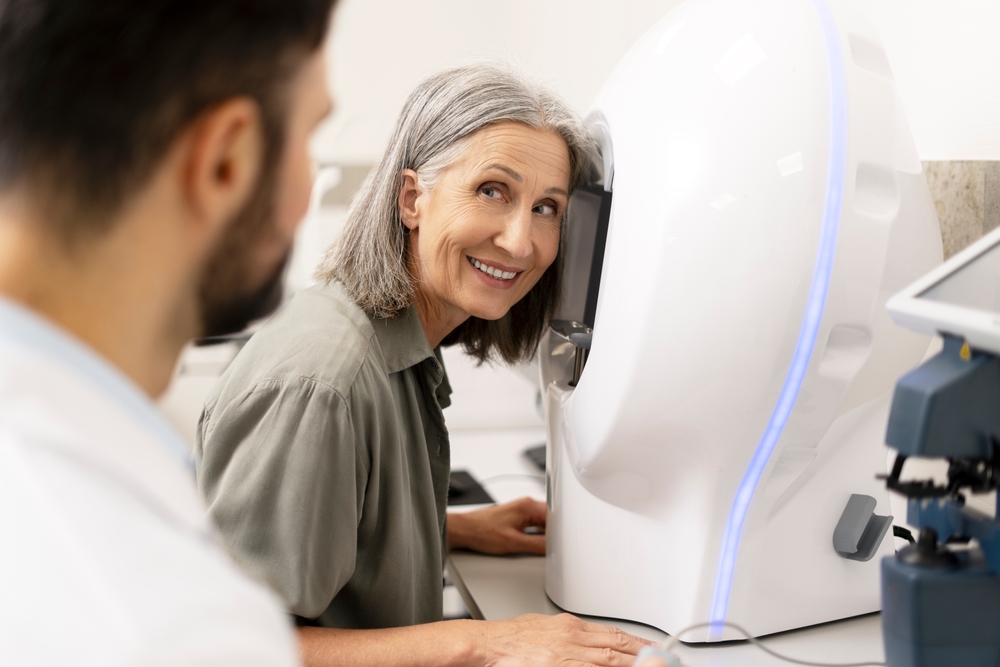
Eye exam in Philadelphia are the first step to protecting your vision by knowing what’s happening inside your eyes right now. At IC Laser Eye Care, our board-certified ophthalmologists and experienced optometrists use advanced diagnostic tools to evaluate every aspect of your eye health during comprehensive eye exams.
We measure intraocular pressure to screen for glaucoma, perform refraction tests for accurate prescriptions, and examine your retina for signs of diabetic retinopathy and macular degeneration. Our team also checks how conditions like high blood pressure affect your vision health, giving you a complete picture of your eye care needs so you can make informed decisions about treatment.
Understanding Eye Exams
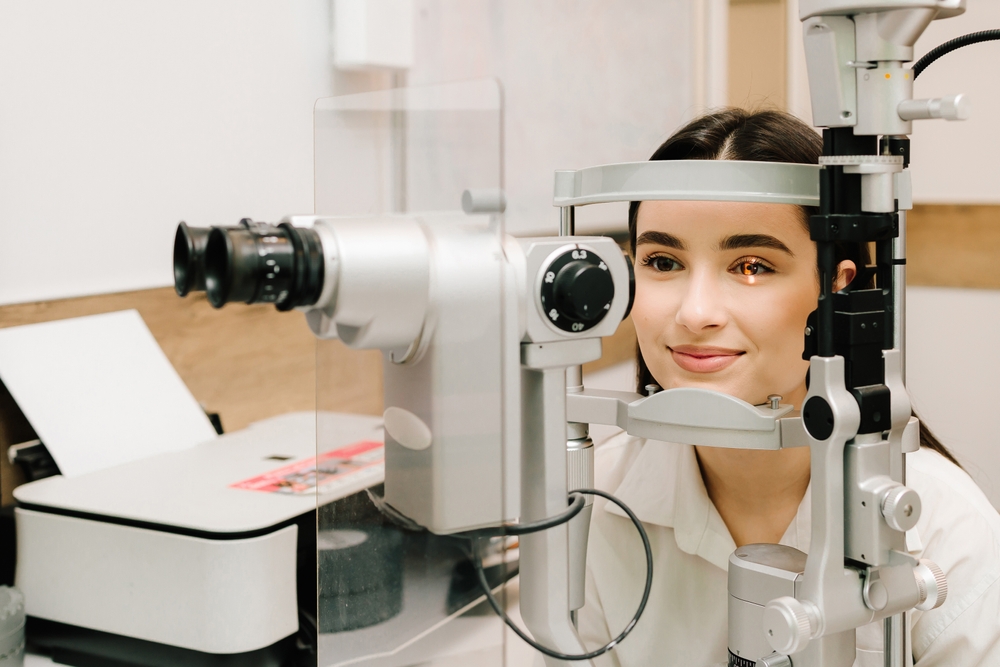
An eye exam is a thorough clinical evaluation that measures your visual acuity and assesses the overall health of your eyes. Eye specialists use specialized equipment and techniques to examine both the external and internal structures of your eyes, including the cornea, lens, retina, and optic nerve. These examinations involve multiple diagnostic procedures such as refraction tests to determine prescription strength, pupil dilation to view the back of the eye, Slit Lamp Exam to inspect the front of the eye in detail, and measurements of intraocular pressure.
The scope extends beyond simple vision testing to include comprehensive assessments of eye function and disease screening. Eye care professionals evaluate how well your eyes work together, test your peripheral vision, and examine the blood vessels and tissues inside your eyes for signs of damage or disease. This complete approach to vision care makes vision exams an essential tool for maintaining both eye health and detecting systemic conditions that manifest through ocular changes.
Benefits of Eye Exams
Early Detection of Serious Conditions
Regular eye exams allow our specialists to identify eye diseases before they cause significant vision loss. We screen for glaucoma, macular degeneration, diabetic retinopathy, and other conditions that can threaten your sight if left untreated. Early detection means more treatment options and better outcomes for preserving your vision health.
Accurate Prescription Updates
Your vision naturally changes over time, and outdated prescriptions can lead to eye strain, headaches, and difficulty performing daily tasks. Through precise refraction tests, we determine your exact prescription needs for eyeglasses or contact lenses. Having the correct prescription improves your quality of life and reduces unnecessary discomfort from struggling to see clearly.
Detection of Systemic Health Issues
Your eyes can reveal important information about your overall health beyond just vision concerns. During comprehensive eye exams, we often detect signs of high blood pressure, diabetes, autoimmune disorders, and even certain cancers. These discoveries can prompt you to seek additional medical care, potentially catching serious health conditions before they cause major complications.
Maintenance of Children's Visual Development
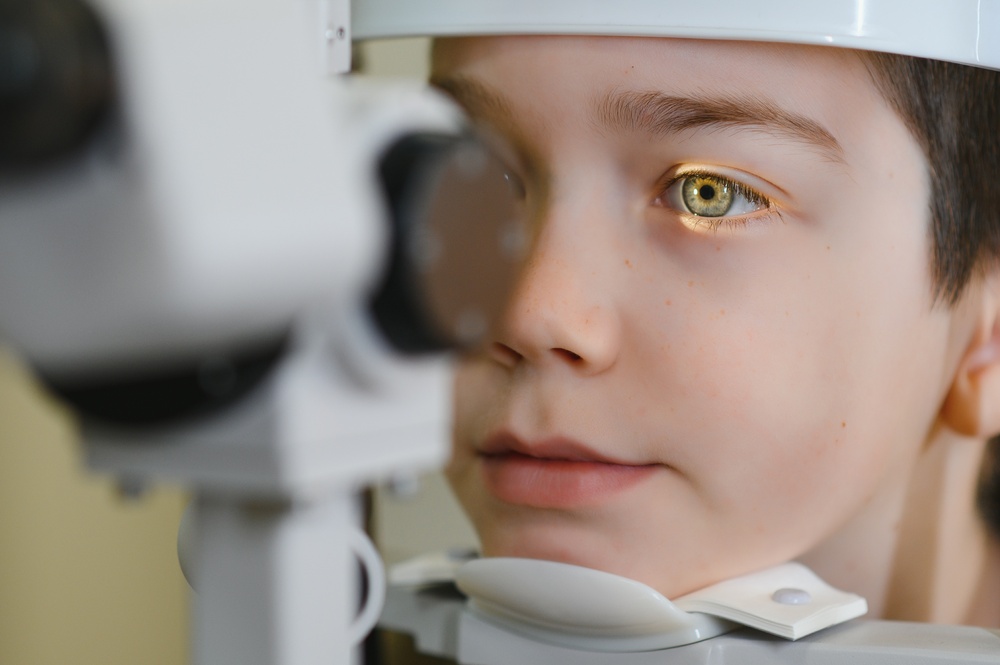
Children’s eyes continue developing throughout their formative years, making regular eye exams essential for proper growth and learning. We check for issues like lazy eye, eye misalignment, and refractive errors that can affect academic performance and social development. Catching and treating these problems early helps ensure your child reaches their full visual potential without unnecessary struggles in school.
Protection Through Preventive Eye Care
Eye exams aren’t just about correcting vision, they’re about protecting your eyes from future problems through education and preventive measures. We provide guidance on eye safety, proper nutrition for vision health, UV protection, and digital eye strain management. This proactive approach helps you maintain healthy eyes and potentially avoid vision problems that could develop from lifestyle factors.
Our Eye Exam Process
Medical History and Vision Concerns Review
Your visit begins with a thorough discussion of your medical history, current vision concerns, and any symptoms you’ve been experiencing. We’ll ask about family history of eye diseases, medications you’re taking, and your lifestyle needs regarding vision. This conversation helps us understand your complete picture and tailor the examination to address your specific situation and concerns.
Comprehensive Assessment Planning
Based on your initial consultation and preliminary tests, we develop a personalized examination approach that addresses your unique needs. This may include specialized testing for contact lenses, additional screening for eye diseases if you have risk factors, or focused assessment of specific concerns you’ve mentioned. Our goal is to provide exactly the level of care you need without unnecessary procedures.
Advanced Diagnostic Testing
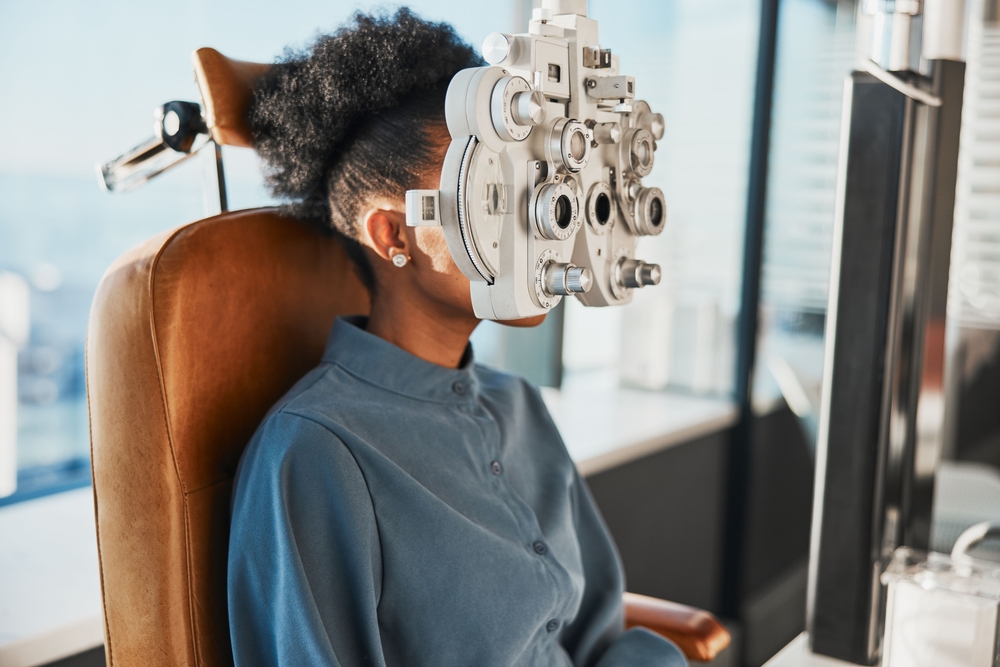
During the examination, you’ll undergo various tests including visual acuity measurements, refraction testing to determine prescription needs, and pupil dilation for internal eye evaluation. We use advanced equipment like the Slit Lamp Exam to examine the front structures of your eyes and measure intraocular pressure to screen for glaucoma. Each test provides valuable information about different aspects of your vision care and eye health.
Results Discussion and Vision Solutions
After your comprehensive assessment, we’ll review all findings with you and explain what they mean for your vision health. If you need prescription eyeglasses or contact lenses, we’ll guide you through your options and help you choose the best solution for your lifestyle. We’ll also provide personalized recommendations for maintaining healthy eyes between visits, including proper eye safety practices and warning signs that should prompt immediate attention.
Ongoing Eye Health Monitoring
We’ll schedule your next eye exam based on your age, health status, and any conditions requiring monitoring. Most healthy adults should schedule an appointment annually, while those with eye diseases or certain risk factors may need more frequent visits. If you experience any changes in your vision or eye comfort between appointments, our team is available to address eye emergencies and unexpected concerns promptly.
Why Choose Us
Our Philadelphia practice brings together nine experienced providers, five board-certified ophthalmologists and four skilled optometrists, who offer depth and breadth in vision care that few practices can match. This multidisciplinary team approach means your eye exam benefits from collective expertise across specialties. You’ll receive thorough screening and evaluation during your visit, with access to specialists who can address complex conditions immediately if discovered during your comprehensive assessment.
We’ve designed our practice around convenience and efficiency for busy patients. Our Philadelphia location opens Monday through Friday with extended hours, plus Saturday morning appointments for those who can’t visit during the workweek. When your eye exam reveals you need prescription eyeglasses, our on-site optical lab delivers them within an hour in many cases, eliminating the typical week-long wait. This integrated model saves you time and ensures continuity of care from initial evaluation through treatment and follow-up visits.

Protect Your Sight Through a Thorough Eye Exam in Philadelphia!
An eye exam in Philadelphia provides comprehensive screening for eye diseases, accurate prescription updates, and personalized guidance for maintaining optimal eye health. Our team understands that catching conditions early makes all the difference in preserving your vision for decades to come.
IC Laser Eye Care serves patients at four convenient locations throughout Pennsylvania and New Jersey. Visit our Philadelphia office at 3232 Memphis St, Philadelphia, PA 19134 or call 215-291-2194. You can also reach our Bensalem location at 215-639-4500, Hamilton Township at 609-586-6700, or Huntingdon Valley at 215-379-2500. Connect with our practice on Facebook for helpful vision health tips, practice updates, and eye care education. Our experienced ophthalmologists and optometrists look forward to providing the thorough exams you need to protect your vision.
FAQs
What happens during pupil dilation in an eye exam?
Pupil dilation involves using special eye drops that temporarily widen your pupils, allowing our eye specialists to examine the back of your eye more thoroughly. This enables us to check your retina, optic nerve, and blood vessels for signs of eye diseases like diabetic retinopathy, macular degeneration, and glaucoma. Your vision may be blurry and sensitive to light for several hours afterward, so bringing sunglasses to your appointment is helpful.
Can an eye exam help if I'm experiencing headaches?
Yes, frequent headaches can stem from vision problems that an eye exam can identify and correct. Issues like uncorrected refractive errors, eye misalignment, or eye strain from outdated prescription eyeglasses often cause persistent head pain. Our comprehensive assessment includes vision testing and eye health evaluation to determine if your headaches are related to vision care needs.
Can I wear contact lenses if I've never had them before?
Yes, many first-time contact lens wearers successfully transition from eyeglasses during their eye exam appointment. Our eye specialists will perform additional measurements to determine the correct lens fit for your eyes and provide thorough training on insertion, removal, and proper care. We’ll schedule a follow-up visit to ensure your contact lenses fit comfortably and your visual acuity is optimal with your new lenses.
Are eye exams important for people with diabetes or high blood pressure?
Absolutely, people with diabetes or high blood pressure need regular eye exams because these conditions can cause serious damage to the blood vessels in your eyes. Diabetic retinopathy and hypertensive retinopathy often develop without symptoms until vision loss occurs, making routine screening essential. Our comprehensive assessment can detect these changes early, allowing for timely treatment to preserve your vision health.
Will I be able to drive home after my eye exam?
Most patients can drive after their eye exam, but if pupil dilation is part of your comprehensive assessment, your vision may be temporarily blurry and light-sensitive for several hours. We recommend arranging transportation or bringing someone with you if dilation is planned, especially for your first visit. Our team will let you know during your appointment whether it’s safe for you to drive based on the specific tests performed and your visual acuity afterward.