Laser Eye in Philadelphia
At IC Laser Eye Care, our team of board-certified ophthalmologists and optometrists helps patients achieve clearer vision through advanced laser eye in Philadelphia treatment options. We specialize in LASIK eye surgery, laser cataract treatment, and glaucoma laser treatment at our four convenient locations in Philadelphia, Bensalem, Huntingdon Valley, and Hamilton.
Sharp eyesight impacts how you perform at work, enjoy hobbies, and navigate everyday activities. Our goal is straightforward: deliver exceptional visual outcomes using state-of-the-art vision correction procedures tailored to your unique eyes and lifestyle needs.
Understanding Laser Eye Treatments
Laser eye technology has revolutionized how we treat vision problems and eye disorders. These procedures harness focused light energy to precisely reshape corneal tissue, remove damaged lens material, or reduce dangerous eye pressure. Modern laser systems create three-dimensional maps of your eyes, allowing our surgeons to address your specific visual challenges with accuracy measured in microns. The result is safer procedures, faster healing times, and better visual outcomes than traditional surgical methods could achieve.
Patients often worry about laser treatments, but the reality surprises them. Most procedures take less time than a typical lunch break. You experience minimal discomfort during treatment thanks to advanced numbing techniques. Many people notice clearer vision within hours or days after their procedure, though complete healing continues over several weeks.
Our Range of Procedures
LASIK Eye Surgery
LASIK Eye Surgery, or Laser-Assisted In Situ Keratomileusis, is ophthalmology’s most popular vision correction procedure, helping millions achieve clear vision without glasses or contact lenses. This transformative treatment reshapes your cornea to correct nearsightedness, farsightedness, and astigmatism, allowing light to focus properly on your retina. The procedure is remarkably quick, typically taking just ten minutes per eye, and most patients experience improved vision within 24 hours with minimal recovery period.
Glaucoma Laser Treatment
Glaucoma laser treatment offers an effective way to manage this serious eye disorder that damages the optic nerve due to elevated intraocular pressure. While glaucoma cannot be cured and vision loss cannot be reversed, our sophisticated laser treatments can prevent further deterioration and preserve your remaining sight. This outpatient procedure takes only minutes to perform and provides a convenient alternative when other glaucoma interventions prove insufficient, helping protect you from additional vision impairment.
Laser Cataract Surgery
Laser cataract surgery combines the effectiveness of traditional cataract treatment with the precision of advanced femtosecond laser technology. This innovative approach to cataract surgery uses optical coherence tomography to create detailed eye maps, enabling our surgeons to make incredibly accurate incisions and gently remove the clouded lens. We then replace your natural lens with a customized intraocular lens that can simultaneously correct refractive errors, potentially eliminating your need for glasses after cataract treatment.
How We Perform Your Laser Eye Procedure
Detailed Assessment and Diagnostic Testing
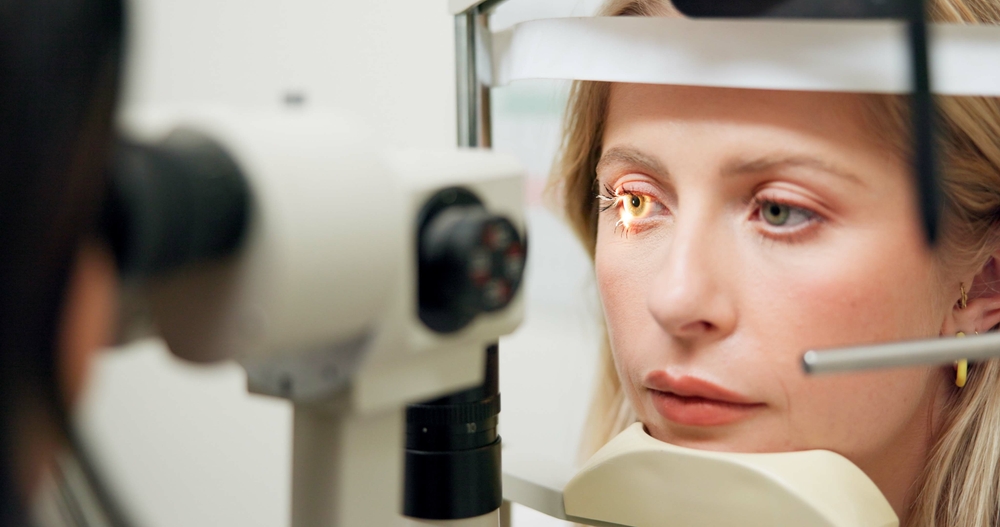
We begin by examining your eyes using specialized equipment that measures everything from corneal shape to tear film quality. This includes checking for conditions like dry eye syndrome or corneal disease that could affect your results. Our optical coherence tomography scans create detailed cross-sections of your eye structures, revealing information invisible during standard exams. We also discuss your daily visual demands—whether you spend hours at a computer, play sports, or need sharp distance vision for driving at night.
Building Your Personal Treatment Strategy
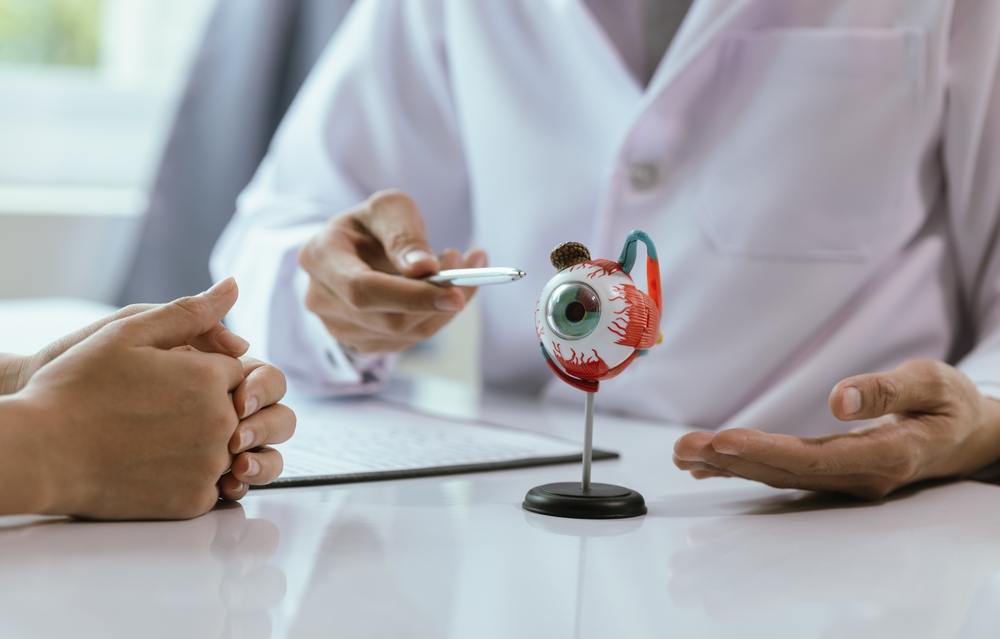
Based on your diagnostic results, we recommend the most appropriate laser eye approach for your situation. You might benefit from LASIK Eye Surgery to eliminate contact lens discomfort, refractive cataract surgery with a premium intraocular lens to address both cataracts and presbyopia, or targeted glaucoma treatment to preserve your remaining vision. We explain how the procedure works, what sensations you might experience, and show you what results patients with similar conditions have achieved. This conversation ensures you feel confident and informed before moving forward.
Precision Laser Application
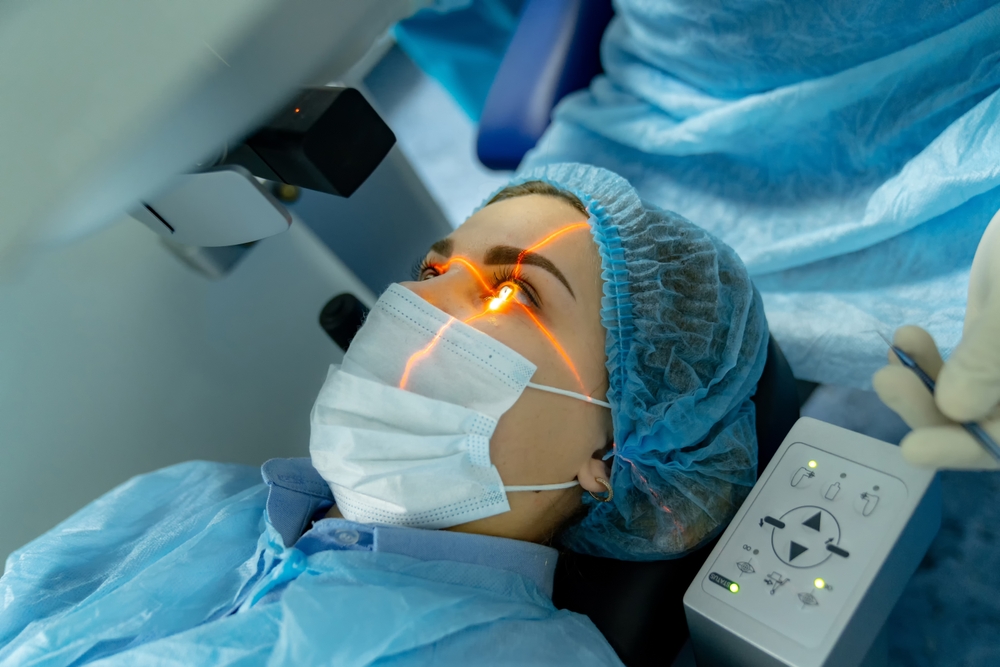
Your treatment begins with numbing drops that eliminate pain while keeping you alert and comfortable. We position you under the laser system and use a gentle stabilization device to keep your eye perfectly still. The computer-guided laser then delivers thousands of precise pulses to reshape tissue, fragment clouded lens material, or create drainage pathways—depending on your specific procedure. Our surgeons monitor everything in real-time, making micro-adjustments as needed. The entire active treatment typically lasts between 30 seconds and 10 minutes per eye.
Immediate Post-Treatment Care Instructions
Right after your procedure, we examine your eyes to confirm everything looks excellent, then provide detailed written instructions for the next few days. You’ll receive medicated eye drops to prevent infection and reduce inflammation, along with protective shields to wear while sleeping. We explain which activities to avoid temporarily—like swimming, heavy lifting, or applying eye makeup. Most people feel slight scratchiness or see some haziness initially, but these sensations fade quickly as healing progresses.
Progress Monitoring and Result Verification
Your first follow-up happens within 24 hours so we can measure your initial visual improvement and check your healing response. Additional visits occur at strategic intervals over the next three months, allowing us to track your recovery period and address any questions. During these appointments, we test your vision, measure eye pressure, and examine the treated areas under magnification. If you’re achieving excellent results as expected, we gradually space out your visits. If any concerns arise, we catch them early when they’re easiest to manage.
Why Choose Our Approach
What makes IC Laser Eye Care different starts with our depth of expertise across multiple subspecialties. Our practice brings together five board-certified ophthalmologists and four optometrists who collectively offer more than 35 distinct ophthalmic services under one roof. This means you’re not just getting laser eye treatment—you’re accessing specialists in corneal disease, diabetic eye care, and complex glaucoma management who collaborate on challenging cases.
Our approach to vision correction procedures prioritizes realistic conversations over sales pitches. We explain candidly whether laser eye treatment will solve those specific problems or if another approach makes more sense. Some patients leave with surgery scheduled. Others leave with strategies to optimize their current correction method. Both outcomes reflect our commitment to your actual needs rather than pushing procedures you don’t require.

Your Path to Better Sight Starts with Laser Eye in Philadelphia!
Ready to see what life looks like without constantly searching for your glasses or dealing with contact lens discomfort? If you’re considering laser eye in Philadelphia, IC Laser Eye Care has helped patients achieve clearer vision through proven vision correction procedures. Our experienced team evaluates your unique eye health, recommends the optimal treatment approach, and supports you through every stage of recovery.
Schedule your consultation at one of our convenient locations today: Philadelphia 215-291-2194, Bensalem 215-639-4500, Huntingdon Valley at 215-379-2500, or Hamilton at 609-586-6700. You can also connect with us on Facebook to see patient success stories, learn about the latest advances in vision correction procedures, and discover why so many people trust us with their eye care.
FAQs
How quickly can I return to work after laser eye treatment?
Most patients who undergo LASIK Eye Surgery return to work within one to two days once their vision stabilizes and any initial discomfort subsides. Laser cataract surgery patients often need three to five days before resuming desk work, though you should avoid heavy lifting for several weeks. Glaucoma laser treatment typically allows same-day or next-day return to most activities. Your specific recovery period depends on your procedure type, your job’s visual demands, and how quickly your eyes heal.
Do laser eye procedures hurt during or after treatment?
You won’t feel pain during your laser eye procedure because we use powerful numbing drops that completely block sensation in your eyes. Some patients notice pressure or mild discomfort, but nothing sharp or intolerable. Afterward, you might experience sensations similar to having an eyelash in your eye or mild irritation for a few hours to a couple days. We provide prescription drops and over-the-counter pain relief recommendations to keep you comfortable during this brief healing phase.
Can I have laser eye treatment if I have astigmatism?
Yes, laser eye procedures effectively correct astigmatism along with nearsightedness and farsightedness simultaneously. LASIK Eye Surgery reshapes your cornea to compensate for its irregular curvature that causes astigmatism. During laser cataract surgery, we can implant specialized toric intraocular lens options that correct astigmatism while replacing your clouded lens. Your consultation includes precise measurements of your corneal shape to determine which approach delivers the best visual outcome for your degree of astigmatism.
What happens if my vision changes years after laser eye treatment?
Laser eye procedures like LASIK permanently reshape your cornea, but your eyes continue aging naturally. Some people develop presbyopia (difficulty with near vision) in their 40s regardless of previous treatments. Others might experience slight prescription changes over decades. If this occurs, you have options: we can perform enhancement procedures to fine-tune your vision, prescribe glasses for specific tasks like reading, or discuss refractive lens exchange if you’re developing cataracts anyway.
Are there alternatives if I'm not a candidate for LASIK?
Absolutely. Many people who don’t qualify for LASIK Eye Surgery due to thin corneas, severe dry eye syndrome, or other factors excel as candidates for alternative vision correction procedures. Refractive lens exchange works well for patients over 45 with high prescriptions or early cataracts. PRK reshapes the cornea without creating a flap, making it suitable for people with corneal concerns. We might also recommend specialized contact lens options or simply continuing with glasses until you’re ready for a different procedure.